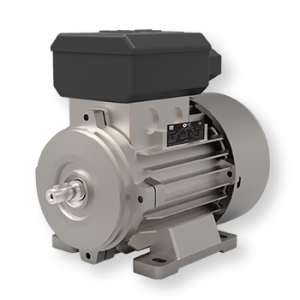
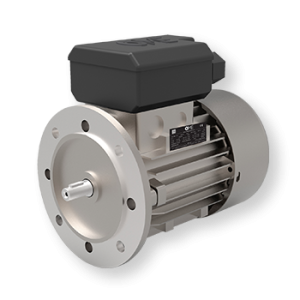
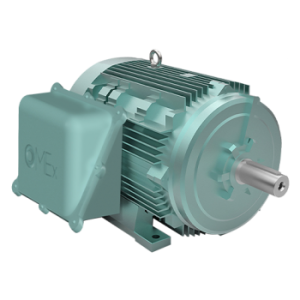
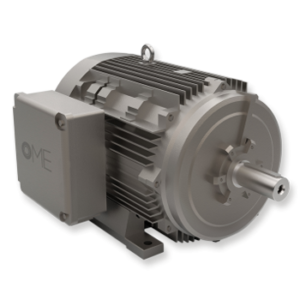
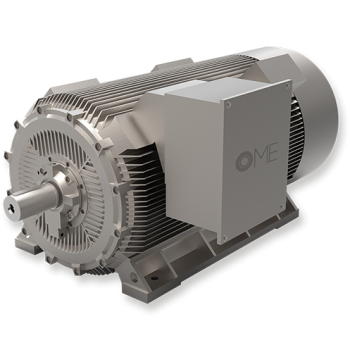
For heavy-duty drives – large pumps, compressors, fans, mills and rolling mills – low-voltage motors quickly become impractical. As power rises, so does line current, and with it cable size, losses and cost. Moving up to medium or high voltage lowers the current, improves efficiency and keeps cabling manageable. The challenge is getting a motor built precisely for the load, the duty and the environment.
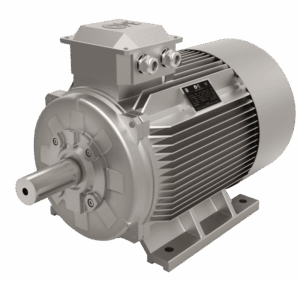
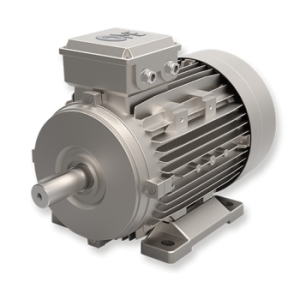
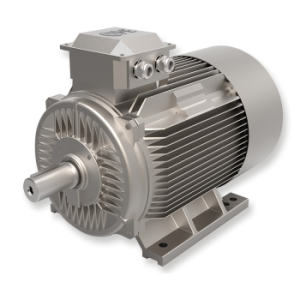
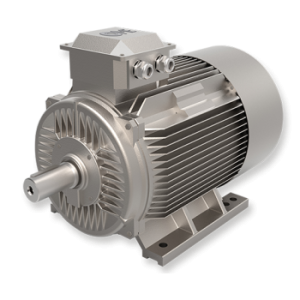
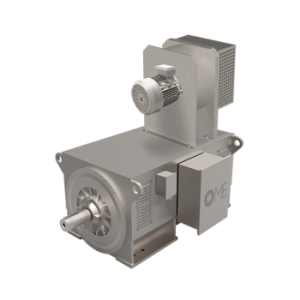
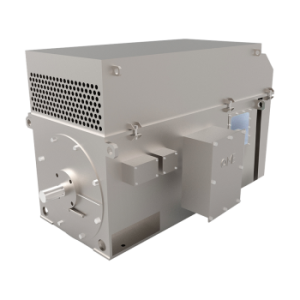
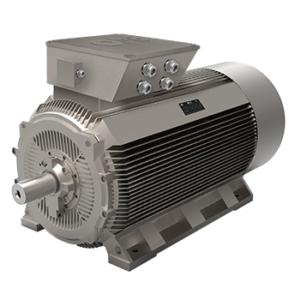
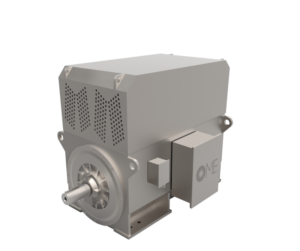
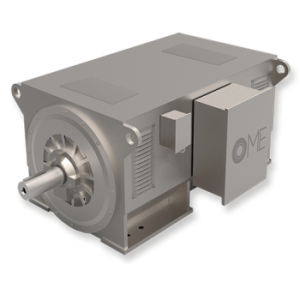
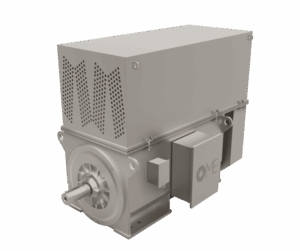
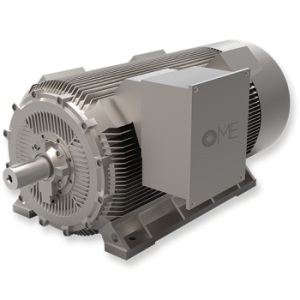
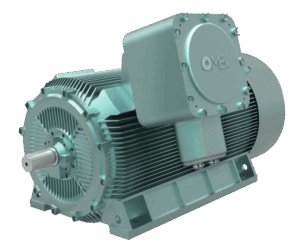
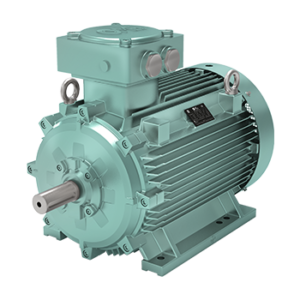
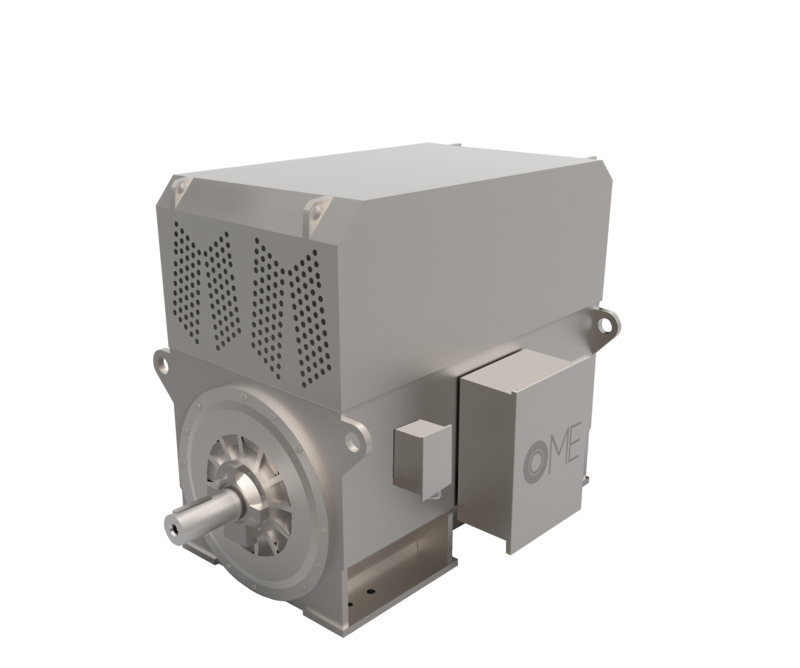
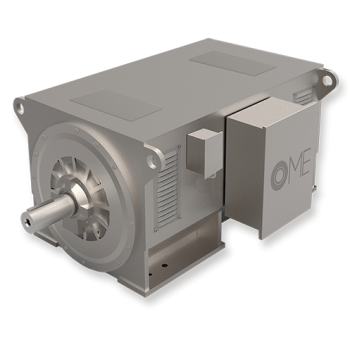
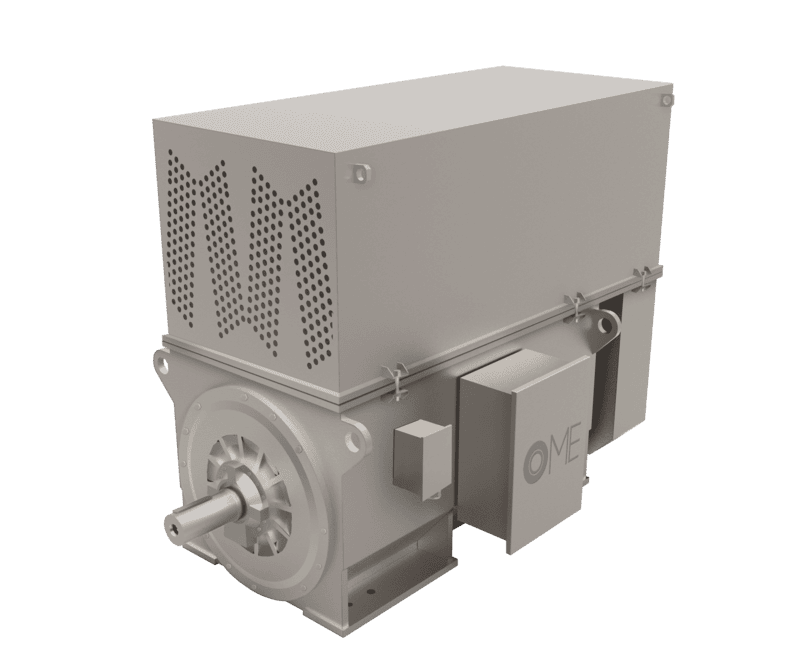
OME Motors designs and builds custom medium voltage motors and high voltage three-phase induction motors engineered around your application. Available with squirrel-cage or wound-rotor construction and a modular cooling system, they are built to IEC standards for the most demanding industries – in both safe and hazardous-area versions.
Medium voltage vs high voltage electric motors
In North America, low voltage generally means up to 600 V. Medium voltage covers roughly 2,300 V to 6,900 V – with 4,160 V among the most common classes – while high voltage refers to the classes above that. OME builds motors across the medium and high voltage range and matches the winding to the exact system voltage, so the motor is optimized for your network rather than adapted to it.
Squirrel-cage and wound-rotor (slip-ring) construction
OME medium and high voltage motors are available with two rotor types. The squirrel-cage rotor is rugged and virtually maintenance-free, the default choice for most applications. The wound-rotor (slip-ring) design brings the rotor windings out to external resistors, delivering high starting torque with low starting current – ideal for high-inertia loads such as mills and crushers. Both use a laminated, pressed and protected core for excellent insulation, mechanical strength and long service life. For heavy slip-ring duty, see the OMA high voltage series.
Cooling systems and construction options
A modular cooling system – IC01, IC411, IC611 or IC81W depending on the model (OMV, OMVP, OMVK, OMVKS) – is matched to the duty and environment. Roller or sleeve bearings, left- or right-hand terminal boxes, and stator-winding and bearing temperature sensors are available on request. Wide customization and any required construction form are part of the standard OME offering.
VFD-ready operation
OME medium and high voltage motors are VFD-ready: running a motor on a variable frequency drive (VFD) / frequency converter improves process control and cuts energy cost over the life cycle. For VFD duty we specify appropriate insulation, bearing protection and, where needed, temperature sensors to ensure reliability throughout the motor’s service life.
Applications and industries
OME medium and high voltage motors are built for cement plants, steel mills, power generation, water purification, treatment and desalination, sugar factories and wind power – and for both safe and explosive-atmosphere areas. They drive pumps, compressors, boilers, conveyor belts, fans and blowers, mills, crushers and shredders, rolling mills and other heavy-industry machinery.
FAQ – Medium & High voltage motors
What voltage is considered medium voltage vs high voltage for a motor?
In North America, low voltage generally means up to 600 V, medium voltage covers roughly 2,300 V to 6,900 V (with 4,160 V very common), and high voltage refers to higher classes above that. OME builds motors across the medium and high voltage range and matches the winding to the exact system voltage.
What is the difference between a squirrel-cage and a wound-rotor (slip-ring) motor?
A squirrel-cage motor has a rugged, maintenance-free rotor and is the default for most applications. A wound-rotor (slip-ring) motor brings the rotor windings out to external resistors, allowing high starting torque with low starting current, useful for high-inertia loads such as mills and crushers. OME offers both, including the
OMA slip-ring high voltage series.
Can medium and high voltage motors run on a VFD?
Yes. OME medium and high voltage motors can operate with a variable frequency drive (VFD) / frequency converter for precise speed control and energy savings. For VFD duty we specify appropriate insulation, bearing protection and, where needed, temperature sensors to ensure reliability over the life cycle.
{“@context”:”https://schema.org”,”@type”:”FAQPage”,”mainEntity”:[{“@type”:”Question”,”name”:”What voltage is considered medium voltage vs high voltage for a motor?”,”acceptedAnswer”:{“@type”:”Answer”,”text”:”In North America, low voltage generally means up to 600 V, medium voltage covers roughly 2,300 V to 6,900 V (with 4,160 V very common), and high voltage refers to higher classes above that. OME builds motors across the medium and high voltage range and matches the winding to the exact system voltage.”}},{“@type”:”Question”,”name”:”What is the difference between a squirrel-cage and a wound-rotor (slip-ring) motor?”,”acceptedAnswer”:{“@type”:”Answer”,”text”:”A squirrel-cage motor has a rugged, maintenance-free rotor and is the default for most applications. A wound-rotor (slip-ring) motor brings the rotor windings out to external resistors, allowing high starting torque with low starting current, useful for high-inertia loads such as mills and crushers. OME offers both, including the OMA slip-ring high voltage series.”}},{“@type”:”Question”,”name”:”Can medium and high voltage motors run on a VFD?”,”acceptedAnswer”:{“@type”:”Answer”,”text”:”Yes. OME medium and high voltage motors can operate with a variable frequency drive (VFD) / frequency converter for precise speed control and energy savings. For VFD duty we specify appropriate insulation, bearing protection and, where needed, temperature sensors to ensure reliability over the life cycle.”}}]}



















































 Headquarter - Via Camillo Golgi 8 - 25064 GUSSAGO (BS)